
LED Power Supply for Architectural Lighting: When Lighting Design Meets Real-World Constraints
Architectural lighting always starts with a vision.
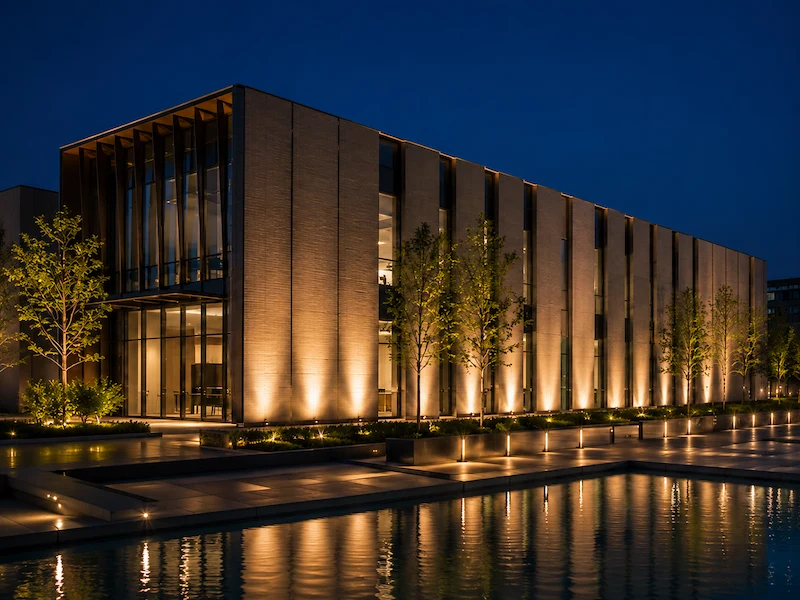
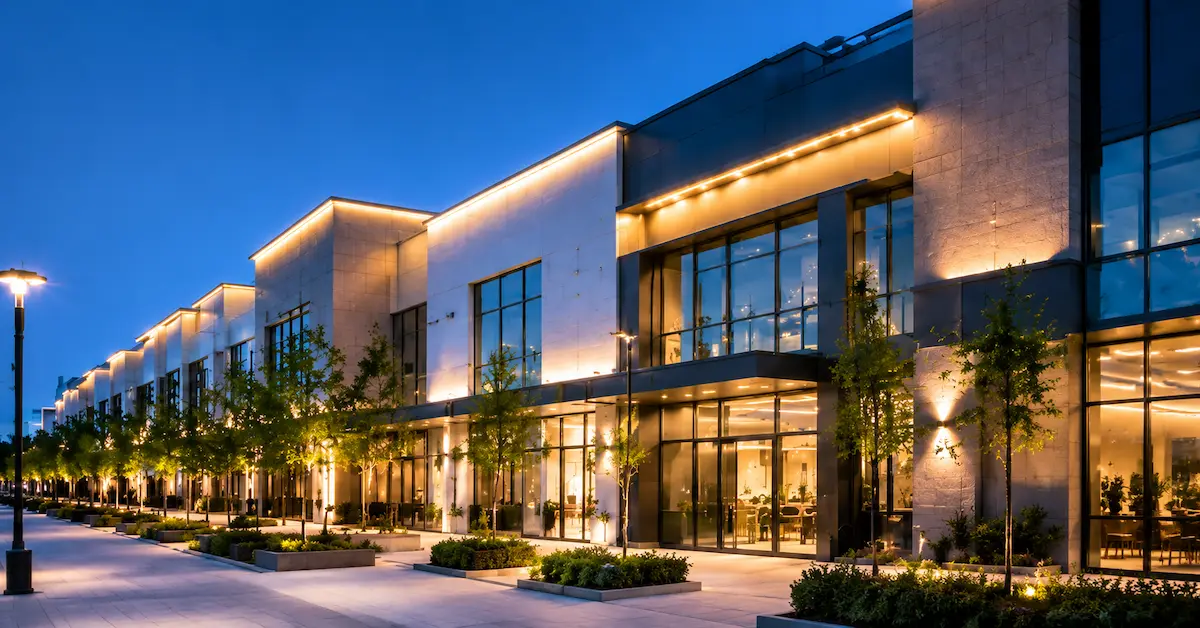
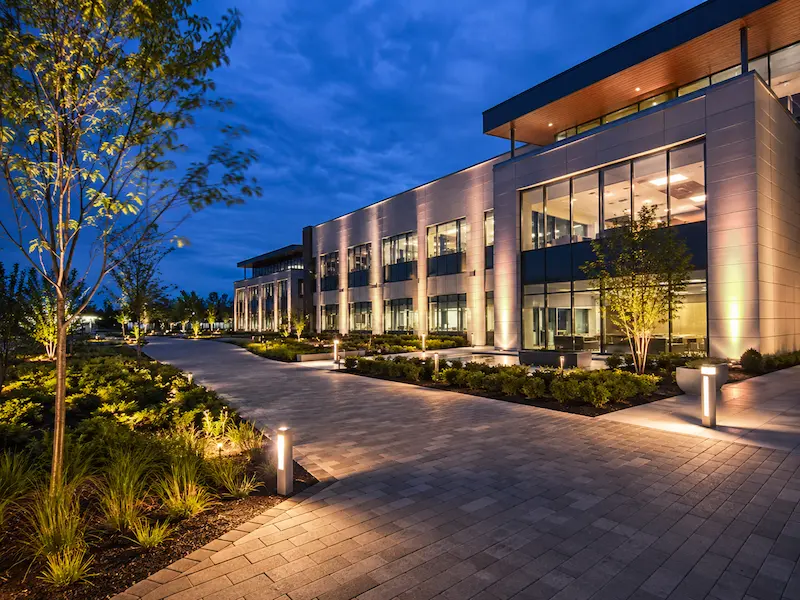
A façade softly illuminated to highlight structure.
A bridge outlined with precise lines of light.
A commercial space where lighting shapes atmosphere, not just visibility.
During design, everything looks perfect.
But once installed, reality begins to interfere.
Brightness isn’t uniform.
Dimming transitions feel abrupt instead of smooth.
Certain sections look slightly different—even though the fixtures are identical.
These are not design flaws. More often, they are power issues.
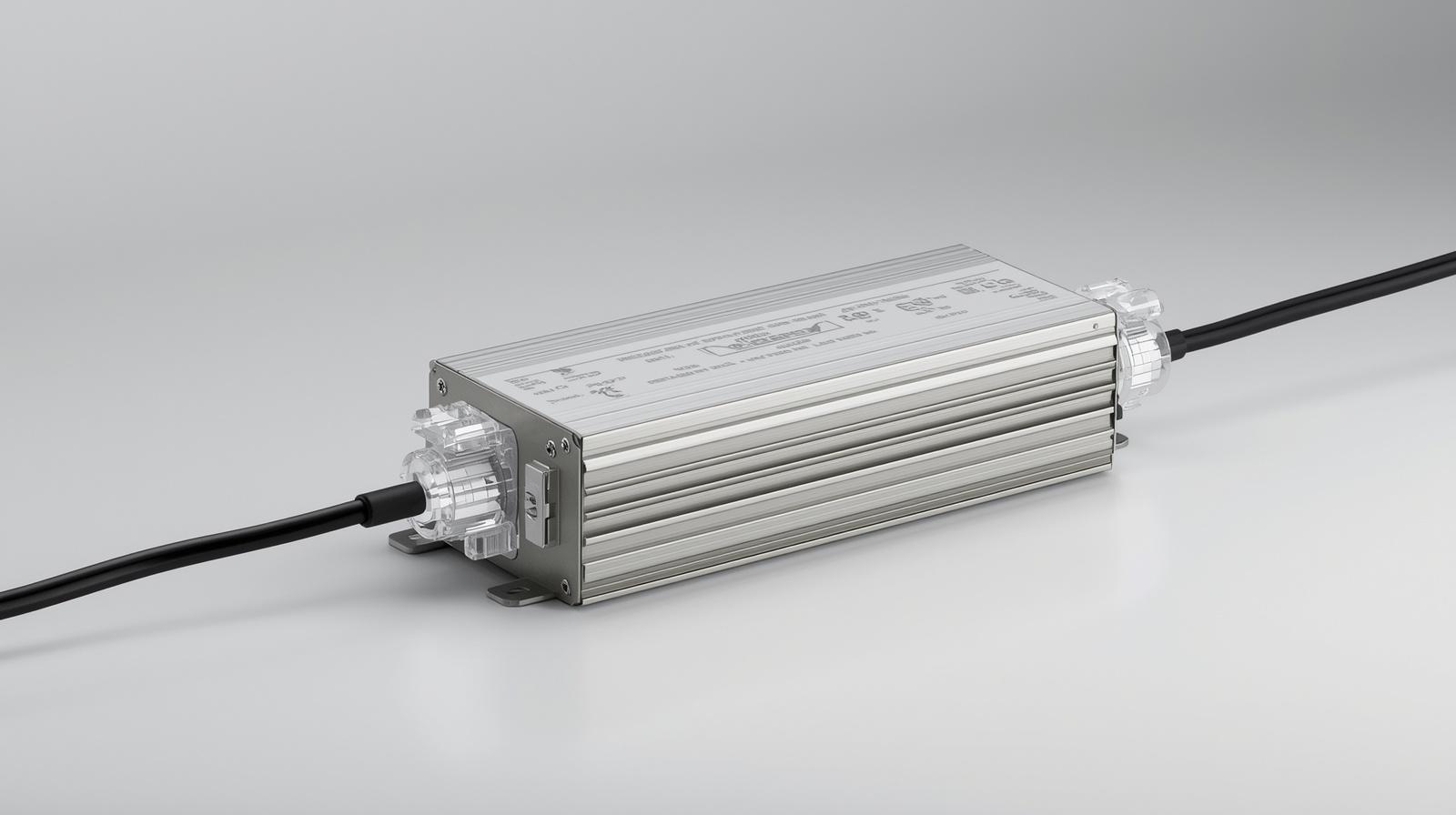
The LED power supply for architectural lighting plays a critical role in translating design intent into real-world performance. When the driver cannot maintain stable output or respond correctly to control systems, even the best lighting design loses its impact.
At JMHC, we approach driver development with one clear goal: make sure the power supply supports the design—not limits it.
What Makes Architectural Lighting More Demanding Than Other Applications
Architectural lighting is not just functional—it is visual, emotional, and often highly precise.
Unlike general lighting, it must deliver:
- smooth dimming transitions without visible stepping
- consistent brightness across long lighting runs
- accurate color performance under different brightness levels
- stable output across complex control systems
In many projects, lighting systems are integrated with centralized controls such as DALI or DMX. This increases the technical requirements placed on the LED power supply for architectural lighting.
Even minor electrical instability can disrupt the visual effect, making inconsistencies immediately noticeable.
Inside the Power Supply: Structure and Materials That Enable Precision
To achieve this level of performance, the internal structure of the power supply must be carefully designed.
A typical architectural-grade driver includes:
- high-frequency switching circuits for efficient energy conversion
- precision control ICs for stable current regulation
- low-ripple capacitors to maintain consistent output
- magnetic components for voltage stability
- thermal structures to control heat during long operation
Material selection becomes especially important.
- Low ripple capacitors reduce visible flicker
- High-efficiency components minimize energy loss and heat
- Aluminum housings improve thermal dissipation
- Sealed structures protect drivers in outdoor architectural installations
These design and material decisions allow the LED power supply for architectural lighting to deliver stable and visually consistent performance.
Where Architectural Lighting Projects Often Go Wrong
Even well-designed projects can face unexpected issues once installed.
Uneven Brightness Across Long Installations
Architectural lighting often involves continuous LED strips or long fixture runs. Small variations in output can create visible differences.
Solution:
Use drivers with precise voltage and current regulation, ensuring consistent output across the entire installation.
Poor Dimming Experience
Lighting that should fade smoothly instead steps or flickers, breaking the intended atmosphere.
Solution:
Drivers must be tested with specific control systems (DALI, DMX, TRIAC) to ensure smooth dimming across all levels.
Color Shift at Low Brightness
In some systems, colors appear different when dimmed.
Solution:
Stable current output and low ripple design help maintain consistent color performance.
Outdoor Exposure and Environmental Stress
Façade lighting and outdoor installations expose drivers to humidity and temperature variation.
Solution:
Use waterproof drivers with IP65–IP67 protection and validated sealing processes.
Manufacturing Control: Ensuring Visual Consistency at Scale
Architectural lighting projects often involve large installations where visual consistency is critical.
At JMHC, manufacturing processes are designed to support this requirement:
- standardized component sourcing for consistent electrical performance
- controlled PCB assembly processes
- sealing and encapsulation for outdoor drivers
- functional testing for every unit
- 100% full-load aging tests
These processes ensure that every LED power supply for architectural lighting performs consistently—not just individually, but across entire projects.
Performance Comparison: Standard Drivers vs Architectural-Grade Drivers
| Performance Factor | Standard Driver | JMHC Architectural Driver |
|---|---|---|
| Dimming smoothness | Moderate | High precision |
| Output consistency | ~85% | >98% |
| Flicker visibility | Noticeable | Minimal |
| Thermal stability | Standard | Enhanced (+25%) |
| Outdoor protection | Limited | IP65–IP67 |
| Visual consistency | Variable | Stable across installations |
For architectural projects, these differences directly affect how lighting is perceived.
ToB Solutions: Supporting Designers, Brands, and Large Projects
Architectural lighting is rarely a small-scale operation. It involves coordination between designers, engineers, contractors, and suppliers.
Lighting Designers
Drivers that support smooth dimming and stable output help maintain the original design intent.
Project Contractors
Reliable power supplies reduce installation issues and minimize post-project adjustments.
Lighting Brands
Custom driver solutions allow brands to align electrical performance with fixture design, improving product consistency.
International Projects
Drivers aligned with certification standards simplify compliance in different markets.
By working with experienced manufacturers, LED power supply for architectural lighting solutions support both creative design and practical execution.
Frequently Asked Questions
Q1: Why is flicker more noticeable in architectural lighting?
Because lighting is often used for visual effect, making even small inconsistencies more visible.
Q2: Can standard drivers be used for architectural projects?
In simple cases, yes—but complex designs typically require specialized drivers.
Q3: What control systems are commonly used in architectural lighting?
DALI, DMX, and TRIAC dimming systems are widely used.
Turning Lighting Design Into Reality Requires the Right Power Supply
Architectural lighting is about more than illumination—it is about creating an experience.
But achieving that experience requires stability behind the scenes.
At JMHC, driver design and manufacturing focus on real-world performance. From component selection to full-load testing, every step is aimed at ensuring that lighting systems perform as intended—consistently and reliably.
To explore our LED power supply solutions for architectural lighting, visit:
👉 https://www.jmhce.com/
If you are working on a lighting project or developing new fixtures, our team can help you select the right driver solution:
👉 https://www.jmhce.com/contact-us