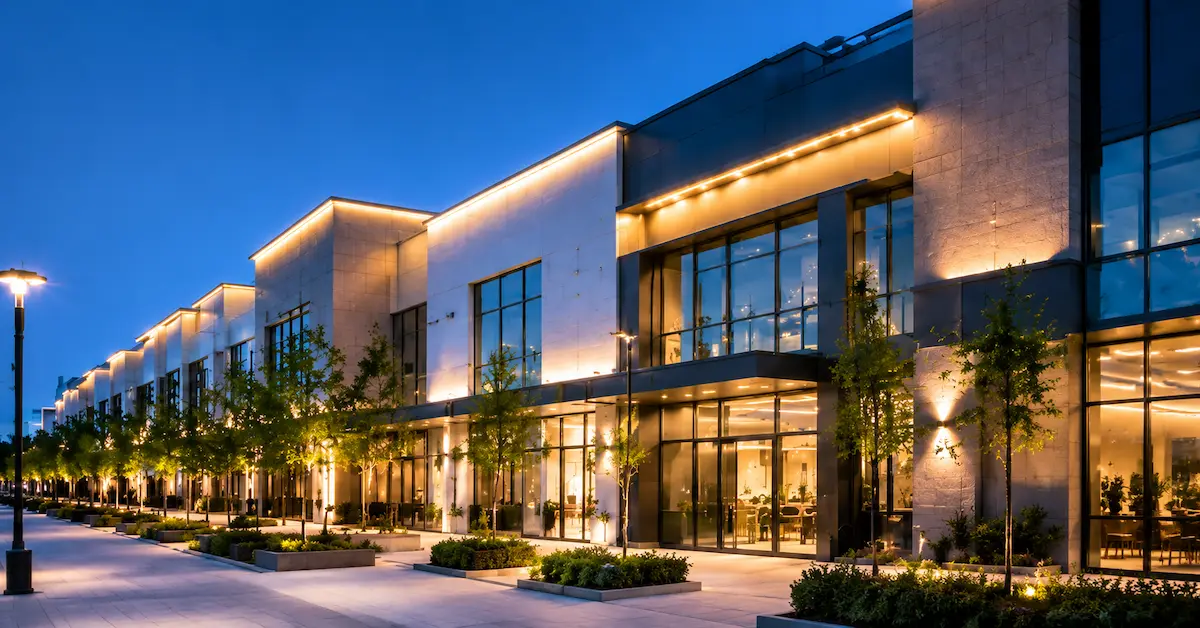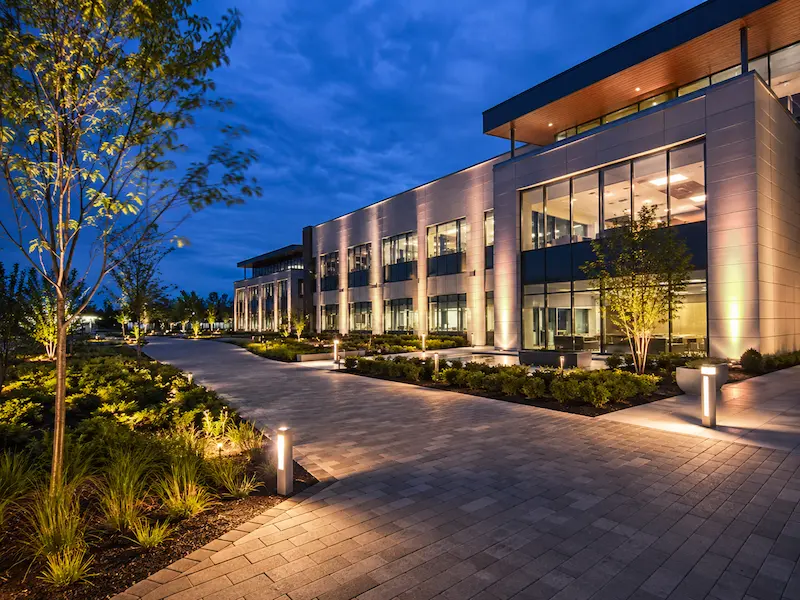

In modern lighting systems, fixture performance depends heavily on the stability of the driver system hidden behind the lighting structure. Many lighting fixtures suffer from flicker, inconsistent brightness, thermal accumulation, and shortened service life because the driver cannot maintain stable current output during long operating cycles.
These issues become more visible in commercial ceilings, architectural lighting systems, retail spaces, and industrial installations where fixtures operate continuously for extended periods.
To solve these problems, JMHC develops LED driver for lighting fixtures solutions with a focus on constant current regulation, low ripple output, thermal optimization, and long-term electrical stability. Instead of treating the driver as a standalone component, the system is engineered as part of the complete fixture structure to improve overall lighting performance.
Why Lighting Fixtures Depend on Stable Driver Architecture
Many fixture failures are actually caused by unstable driver systems rather than LED chips.
A stable LED driver for lighting fixtures is responsible for:
- regulating constant current output
- maintaining uniform brightness
- preventing flicker in dimming environments
- reducing thermal stress inside fixtures
- protecting LEDs from electrical fluctuation
Without stable driver control, fixture performance deteriorates rapidly over time.
Core Engineering Structure Behind Fixture Driver Stability
JMHC driver systems are built around integrated electrical and thermal engineering.
Constant Current Regulation
- optimized PWM control
- stable feedback architecture
- low ripple output (<5%)
This ensures flicker-free fixture performance.
High-Efficiency Conversion
- AC to DC switching topology
- efficiency above 90%
- reduced energy loss
Lower conversion loss directly reduces fixture heat buildup.
Thermal Optimization for Enclosed Fixtures
- aluminum housing structure
- optimized PCB heat pathways
- compact thermal dissipation layout
Thermal design is especially critical inside compact fixture spaces.
Integrated Protection Systems
- OVP / OCP / SCP / OTP protection
- surge resistance design
- optional waterproof LED driver structure (IP65–IP67)
These systems improve fixture safety and long-term stability.
Application-Based Driver Solutions for Lighting Fixtures
Different lighting fixtures require different electrical strategies.
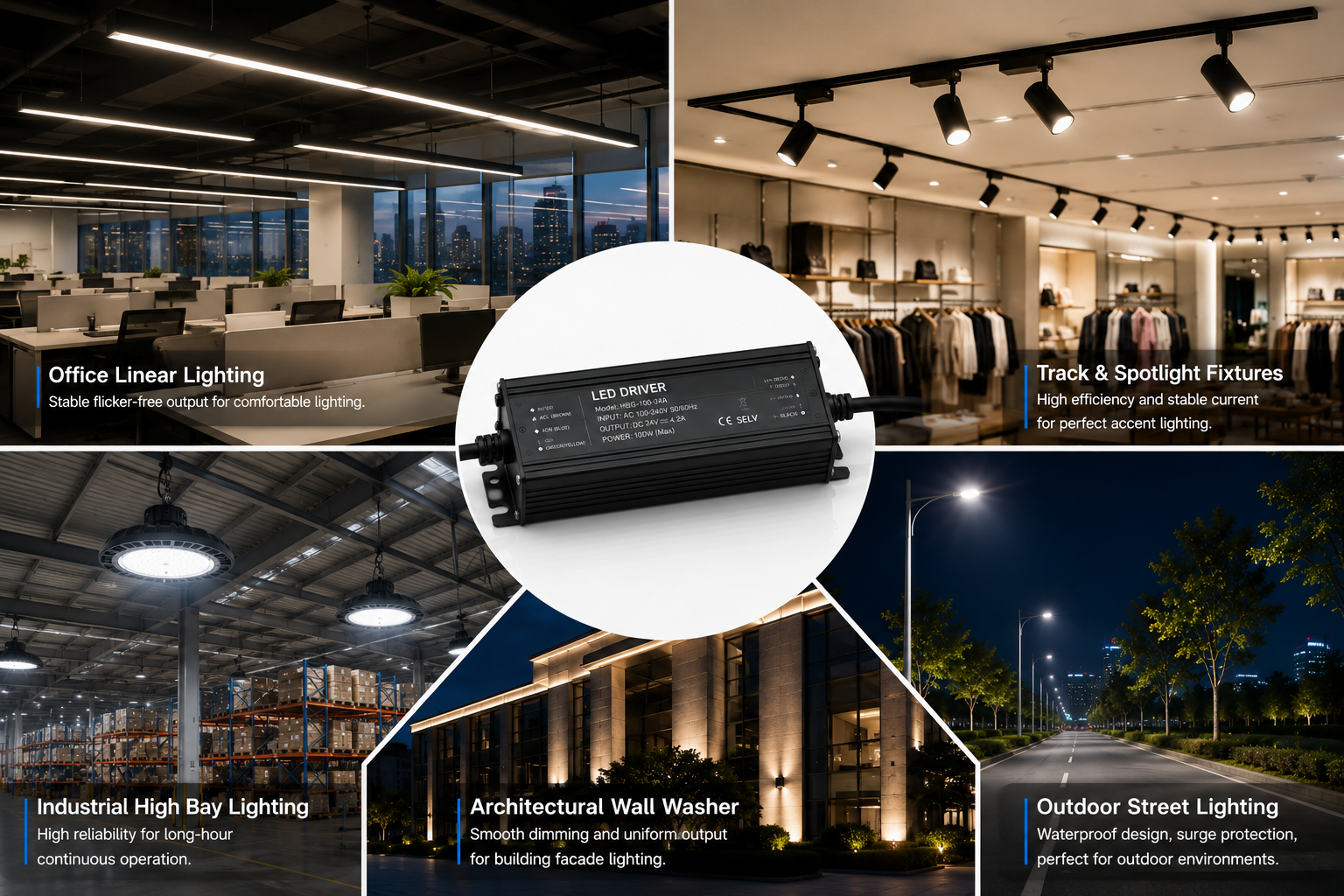
Commercial Ceiling Fixtures
Challenge: Flicker and uneven brightness in offices and retail spaces.
Solution:
- low ripple constant current design
- dimming-compatible architecture
- stable brightness regulation
This improves visual comfort and lighting consistency.
Architectural Lighting Fixtures
Challenge: Long operating hours and hidden thermal accumulation.
Solution:
- high-efficiency driver architecture
- optimized heat dissipation
- compact thermal management layout
This extends fixture lifespan while maintaining stable output.
Industrial Fixture Systems
Challenge: Continuous operation under demanding environments.
Solution:
- heavy-duty component configuration
- robust switching topology
- stable long-cycle performance
This reduces maintenance and replacement frequency.
Manufacturing Stability Behind Reliable Fixture Drivers
Even strong electrical designs can fail without production consistency.
JMHC ensures manufacturing reliability through:
- standardized component sourcing
- automated PCB assembly
- controlled wiring and soldering processes
- 100% aging tests before shipment
This ensures that every driver performs consistently inside large fixture installations.
Performance Comparison: Standard Fixture Driver vs Optimized Driver
| Parameter | Standard Driver | JMHC Fixture Driver |
|---|---|---|
| Output ripple | 10–15% | <5% |
| Efficiency | 80–85% | >90% |
| Temperature rise | High | Reduced by 15–20% |
| Failure rate | 8–12% | <3% |
| Fixture lifespan | Standard | +30–50% |
These improvements directly affect fixture stability and lifecycle cost.
Real Fixture Application Case: Improving Commercial Lighting Stability
A commercial building project experienced repeated fixture issues:
- visible flicker in ceiling lighting
- overheating in enclosed fixture structures
- uneven brightness after extended operation
After integrating JMHC LED driver for lighting fixtures systems:
- flicker was significantly reduced
- internal fixture temperature decreased
- overall fixture reliability improved by more than 40%
The improvement came from optimized current regulation and thermal integration within the fixture structure.
Engineering Solutions to Common Fixture Driver Problems
Fixture instability usually results from multiple electrical and thermal failures combined. JMHC addresses them through integrated engineering solutions.
1. Flicker in Lighting Fixtures
Problem:
Visible flicker affects lighting comfort.
Root Cause:
Weak current regulation and excessive ripple.
Solution Framework:
- low ripple architecture
- optimized constant current feedback
- high-quality filtering components
Result:
Stable flicker-free fixture lighting.
2. Thermal Accumulation Inside Fixtures
Problem:
Fixture housing traps heat.
Root Cause:
Inefficient conversion and poor heat dissipation.
Solution Framework:
- high-efficiency switching topology (>90%)
- aluminum thermal housing
- optimized PCB thermal structure
Result:
Lower operating temperature and longer fixture lifespan.
3. Dimming Compatibility Failure
Problem:
Fixtures flicker during dimming.
Root Cause:
Unstable dimming regulation.
Solution Framework:
- dimming-compatible driver architecture
- optimized feedback loop
- stable output regulation
Result:
Smooth dimming performance.
4. Outdoor Fixture Failure
Problem:
Outdoor fixtures fail under moisture exposure.
Root Cause:
Insufficient waterproof protection.
Solution Framework:
- waterproof LED driver configuration
- encapsulated protection structure
- surge-resistant electrical design
Result:
Reliable outdoor fixture operation.
5. Batch Performance Inconsistency
Problem:
Different fixtures perform differently.
Root Cause:
Weak production control.
Solution Framework:
- automated assembly workflow
- standardized BOM control
- full-system testing
Result:
More than 95% production consistency.
Frequently Asked Questions
Q1: Why is a LED driver important for lighting fixtures?
Because it controls current stability, brightness consistency, and thermal performance.
Q2: What causes fixture flicker?
Usually unstable driver output or excessive ripple.
Q3: Can fixture drivers support outdoor applications?
Yes, JMHC supports waterproof LED driver solutions for outdoor fixture systems.
Reliable Lighting Fixtures Depend on Stable Driver Integration
A lighting fixture is only as stable as the driver system inside it. Reliable current regulation, efficient thermal management, and controlled manufacturing are critical for long-term fixture performance.
JMHC integrates these engineering principles into LED driver for lighting fixtures solutions designed for commercial, architectural, and industrial lighting applications.
Explore JMHC LED Driver Solutions
https://www.jmhce.com/products