In LED lighting projects, driver failures are one of the most common causes of system instability. Flicker in commercial lighting, overheating in enclosed installations, and premature failure in outdoor environments often originate from inconsistent driver quality rather than LED chips themselves.
These problems become even more significant in applications such as architectural lighting, commercial LED strips, outdoor signage, and landscape illumination, where systems must operate continuously for long periods. When drivers are sourced through multiple intermediaries, engineering requirements and production details may not be clearly communicated, increasing the risk of mismatched specifications.
This is where LED driver factory direct sourcing provides a clear advantage. By connecting buyers directly with the manufacturer, engineering design, materials selection, and production processes can be aligned from the beginning. At JMHC, integrated R&D, production control, and full-load testing help ensure that drivers maintain stable performance from prototype development to mass production.
Understanding LED Drivers: Definition, Core Structure, and Materials
Before evaluating factory capability, it is important to understand what an LED driver actually is and how its internal components affect performance.
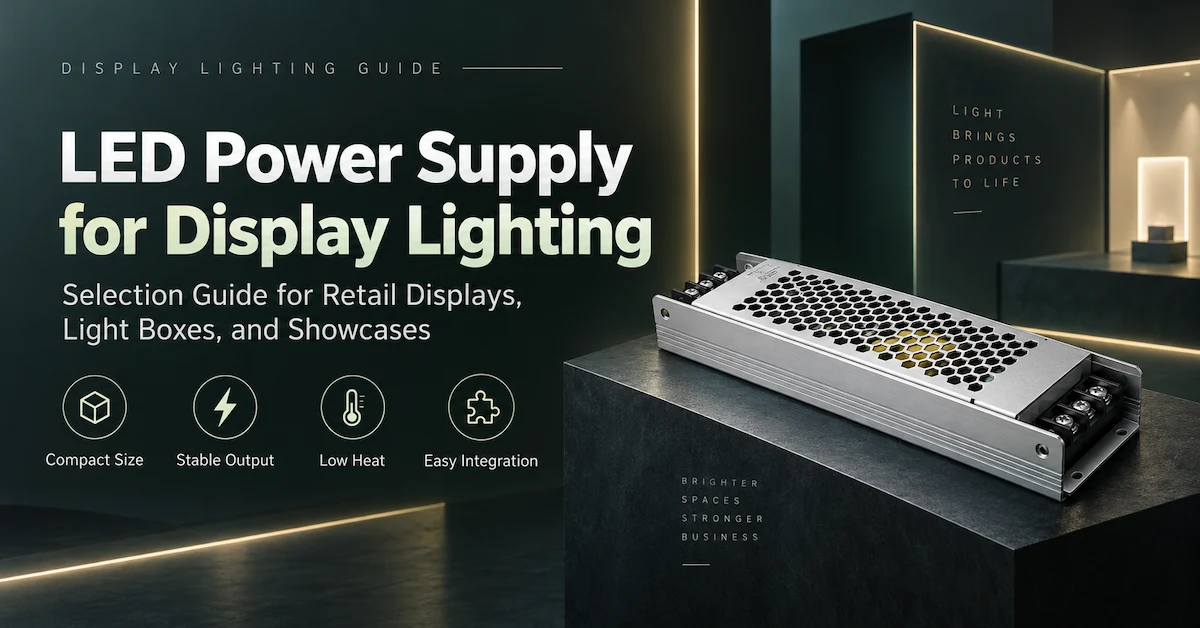
An LED driver is an electronic device that converts incoming electrical power into a controlled output suitable for LED lighting systems. Unlike simple power adapters, LED drivers must regulate current precisely to prevent LED degradation and ensure stable brightness.
The internal structure of a typical driver includes several key components:
-
High-frequency transformers that regulate voltage conversion
-
MOSFET switching components responsible for efficient power regulation
-
Control ICs that maintain constant current output
-
Aluminum electrolytic capacitors that stabilize voltage ripple
-
Thermal management structures that dissipate heat during operation
Material quality directly influences reliability. For example, low-quality capacitors can shorten driver lifespan, while poor heat dissipation materials can cause thermal stress that leads to premature failure.
By sourcing through LED driver factory direct, buyers gain visibility into component selection and manufacturing standards, ensuring that drivers are built with materials suitable for long-term operation.
Product Categories Designed for Different Lighting Environments
LED drivers are not universal devices. Different lighting environments require different driver characteristics, and factory-level customization ensures these requirements are addressed.
Typical product structures include:
Constant Voltage Drivers
Commonly used for LED strip lighting and decorative illumination systems where stable voltage output is required.
Dimmable Drivers
Designed to support dimming protocols such as 0–10V, PWM, or TRIAC for commercial and architectural lighting applications.
Waterproof Drivers
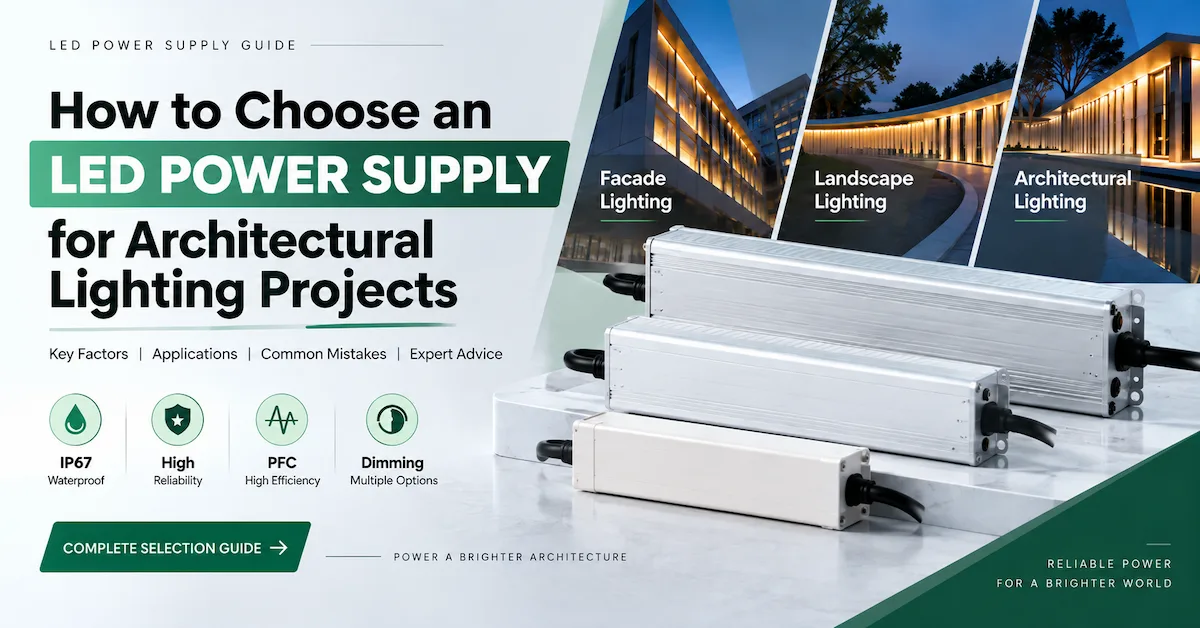
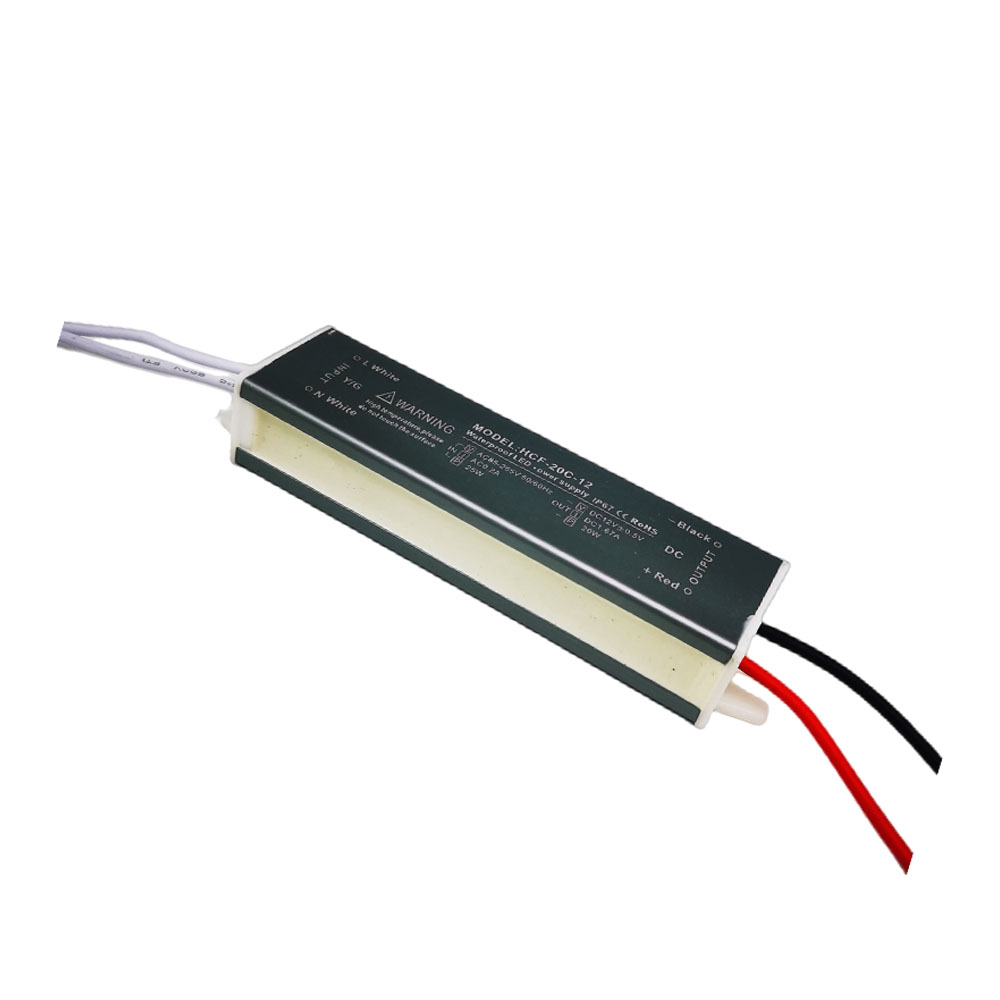
Encapsulated drivers designed for outdoor environments such as landscape lighting, façade illumination, and signage systems.
By working with a LED driver factory direct manufacturer, buyers can align driver design with the intended application rather than relying on generic products that may not perform reliably in real installations.
Manufacturing and Processing: How Factory Control Ensures Product Consistency
Even when product design is correct, reliability ultimately depends on manufacturing execution.
At JMHC, production processes are structured to maintain consistency across large orders. Standardized component sourcing ensures electrical characteristics remain stable across production batches. Controlled assembly procedures reduce variations in soldering quality, wiring layout, and component placement.
For outdoor driver models, encapsulation and waterproof sealing processes are applied to protect internal electronics from humidity and environmental stress. Each driver then undergoes functional verification before entering the aging stage.
Through factory-level production control, LED driver factory direct sourcing allows buyers to obtain drivers with consistent electrical performance and predictable reliability.
Quality Validation Through Full-Load Aging and Testing
Testing procedures determine whether drivers will perform reliably in real applications.
At JMHC, each driver undergoes functional testing followed by 100% full-load aging tests, simulating operating conditions before shipment. This process identifies early component failures and stabilizes electrical performance.
Compared with limited sampling inspection, full-load validation significantly reduces failure rates in the field. As a result, LED driver factory direct production helps prevent costly maintenance and replacement issues after installation.
Performance Comparison: Distributor Supply vs Factory Direct Production
| Evaluation Factor | Multi-Layer Supply | Factory Direct (JMHC) |
|---|---|---|
| Communication accuracy | Indirect | Direct engineering support |
| Sample-to-batch consistency | ~85% | >98% |
| Driver failure rate | 6–10% | <3% |
| Waterproof reliability | Basic sealing | IP65–IP67 protection |
| Delivery stability | Variable | Controlled (±5%) |
| Lifecycle cost | Higher | Reduced by 50–70% |
This comparison highlights how factory-level control improves both technical stability and long-term operational efficiency.
ToB Solutions: How Factory Direct Collaboration Supports OEM and Project Buyers
For business buyers, the value of factory collaboration extends beyond product supply. Direct engagement with the manufacturer allows companies to build stable supply programs and reduce operational risk.
For OEM lighting brands, factory direct cooperation enables driver specifications to be optimized for specific fixtures, improving product differentiation while maintaining stable production.
For large installation projects, working directly with the factory ensures delivery consistency and technical support during integration.
For export-oriented distributors, factory collaboration simplifies certification alignment and reduces delays caused by compliance issues.
These ToB solutions demonstrate how LED driver factory direct sourcing supports long-term business growth rather than short-term procurement decisions.
Frequently Asked Questions
Q1: Why choose factory direct sourcing instead of distributors?
Direct sourcing provides better communication with engineering teams, improving product customization and batch consistency.
Q2: Does factory direct sourcing always reduce cost?
While pricing structures vary, factory direct sourcing usually lowers long-term costs by reducing failure rates and maintenance.
Q3: How can buyers evaluate a driver factory’s capability?
By reviewing component selection, manufacturing processes, testing methods, and production consistency.
Working With a Reliable LED Driver Manufacturing Partner
JMHC combines driver design, production, and quality validation within an integrated manufacturing system. Through structured production lines, controlled material selection, and full-load aging tests, the goal is to deliver drivers that maintain stable performance across indoor, outdoor, and dimmable lighting applications.
To explore available driver products and solutions, visit our homepage:
👉 https://www.jmhce.com/
If you are planning an OEM project or looking for factory direct driver sourcing, our engineering team is ready to assist:
👉 https://www.jmhce.com/contact-us