
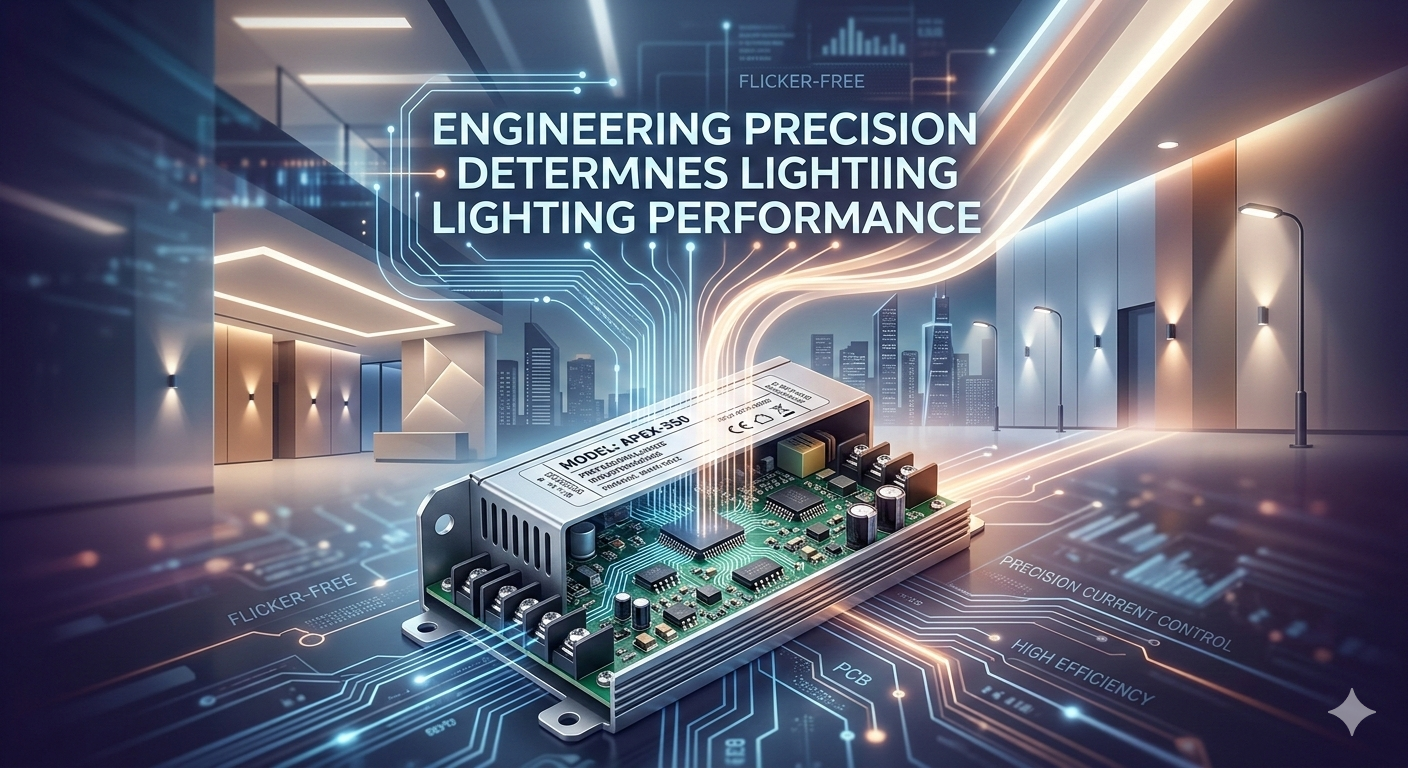
In modern LED lighting systems, the driver is far more than a power converter. It directly controls electrical stability, brightness consistency, and product lifespan. Even when the LED chips and fixtures are identical, differences in driver quality can lead to noticeable variations in lighting performance.
A professional LED driver manufacturer focuses not only on electrical conversion but also on precision current control, thermal management, and compatibility with lighting systems.
Why LED Drivers Are Critical to Lighting Stability
Unlike traditional lighting systems, LEDs are current-driven devices. Small variations in current output can significantly affect brightness and lifespan.
Key roles of an LED driver include:
-
Regulating output current to protect LED chips
-
Maintaining stable brightness under fluctuating voltage
-
Supporting dimming systems without flicker
-
Ensuring efficient power conversion with minimal heat
Because of these functions, selecting a reliable LED driver manufacturer becomes essential for long-term lighting stability.
Product-Level Design: Matching Drivers with Real Lighting Applications
Different lighting environments require different driver characteristics. A well-designed LED driver must match both electrical and environmental conditions.
Typical product configurations include:
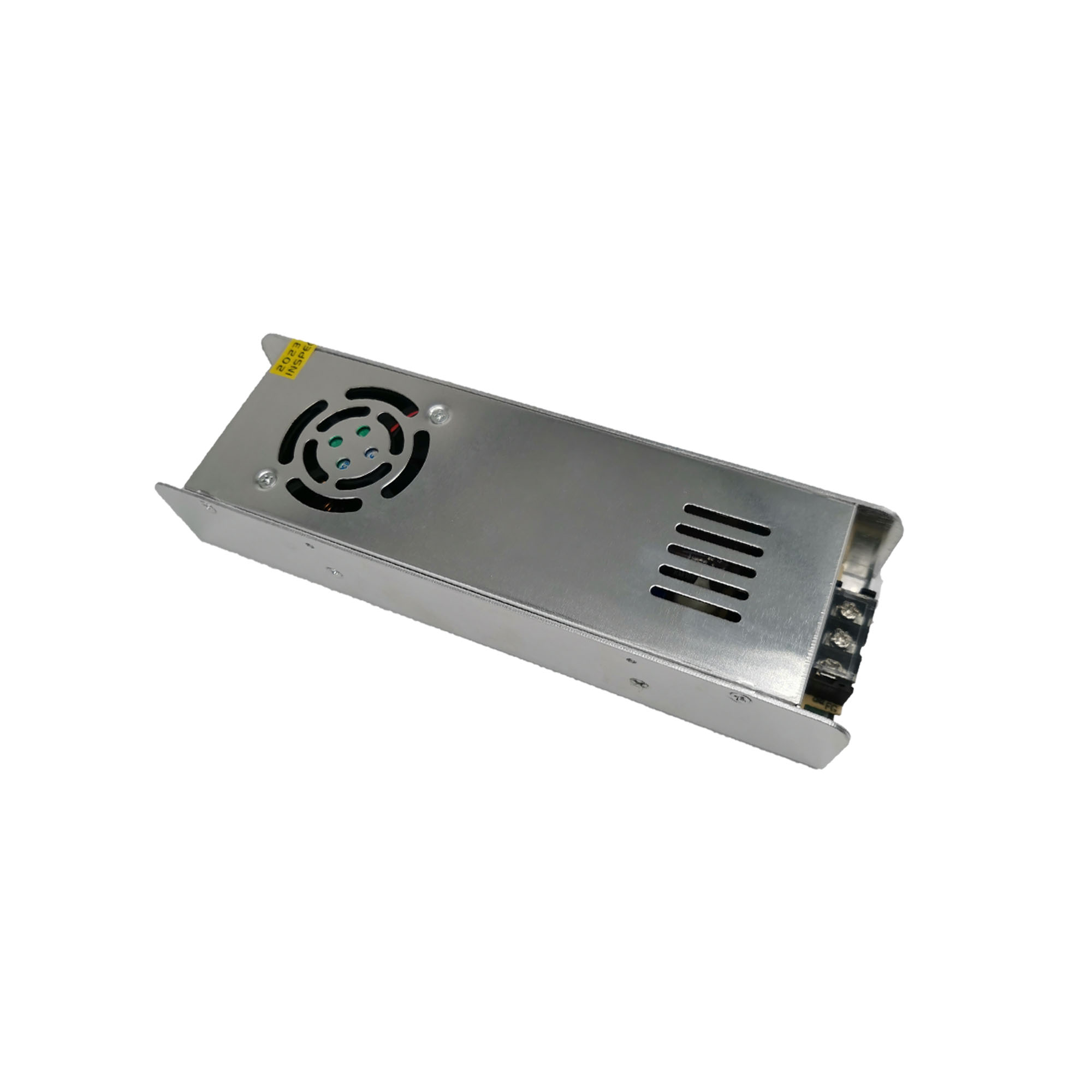
Constant Voltage Drivers
Commonly used in LED strip lighting and signage systems, where stable voltage output is required.
Dimmable Drivers
Supporting 0-10V, PWM, or TRIAC dimming for commercial and architectural lighting.
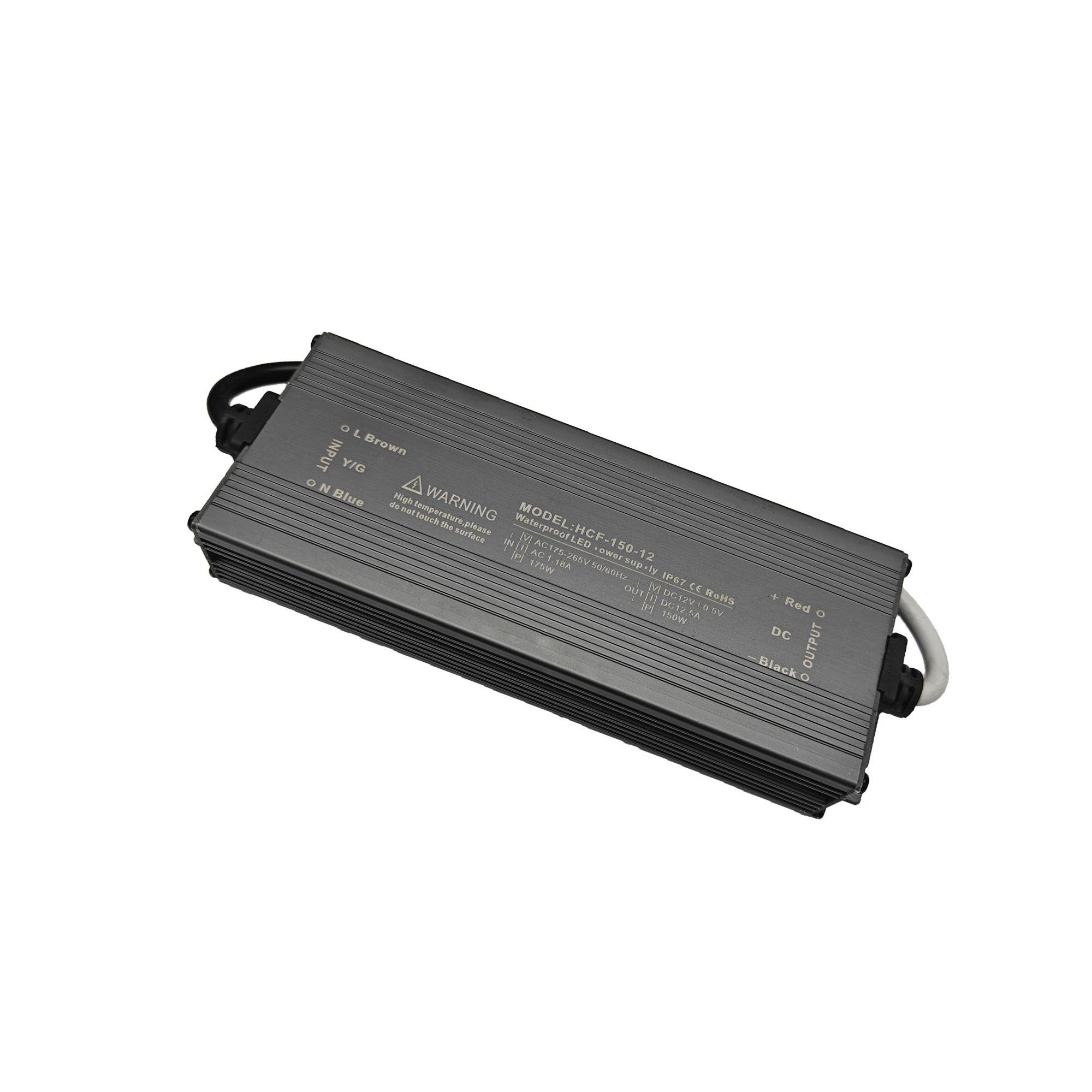
Waterproof Drivers
Designed for outdoor or landscape lighting with IP-rated protection.
By offering multiple product structures, a LED driver manufacturer ensures compatibility with diverse lighting systems.
Engineering Factors That Affect Driver Performance
Driver performance depends on engineering precision during design.
Important technical considerations include:
-
Current regulation accuracy to maintain consistent brightness
-
Power factor optimization to reduce energy waste
-
Thermal control design to extend product lifespan
-
Protection mechanisms against over-voltage, over-current, and short circuits
These factors determine whether drivers operate reliably under long-term load conditions.
Manufacturing Discipline: Turning Design into Reliable Products
Even with strong engineering design, reliability depends on manufacturing control.
At JMHC, driver production includes:
-
standardized component sourcing
-
controlled assembly processes
-
encapsulation for waterproof models
-
functional testing after assembly
-
100% full-load aging before shipment
These steps ensure that every driver performs consistently after installation.
A capable LED driver manufacturer treats production validation as an integral part of product development rather than a final checkpoint.
Performance Comparison: Basic Drivers vs Professionally Manufactured Drivers
| Performance Indicator | Basic Driver Supplier | Professional Manufacturer (JMHC) |
|---|---|---|
| Output stability | ~90% | >98% |
| Flicker probability | 5–8% | <2% |
| Thermal stability | Moderate | Optimized |
| Waterproof capability | Limited | IP65–IP67 |
| MTBF lifespan | ~30,000 hrs | >50,000 hrs |
| Failure rate (first year) | 6–10% | <3% |
For large lighting installations, these improvements significantly reduce maintenance and replacement costs.
Common Driver Issues—and Engineering Solutions
Driver problems are often misunderstood as LED defects. In reality, many failures originate in the driver design or manufacturing process.
Flicker in Dimming Systems
Problem
Incompatible dimming circuits cause flicker at low brightness levels.
Solution
-
optimize dimming circuit design
-
test driver behavior across full dimming range
-
validate performance during aging tests
Overheating and Reduced Lifespan
Problem
Poor thermal design leads to overheating during continuous operation.
Solution
-
improve circuit layout for heat dissipation
-
use high-quality components
-
validate performance under full load conditions
Outdoor Failure Due to Moisture
Problem
Outdoor installations expose drivers to humidity and temperature changes.
Solution
-
apply waterproof housing
-
use controlled glue-filling processes
-
conduct environmental validation testing
Batch Performance Inconsistency
Problem
Drivers perform differently across production batches.
Solution
-
standardize component sourcing
-
control assembly parameters
-
apply full-load aging to every unit
These measures help a LED driver manufacturer maintain stable performance across large production volumes.
Frequently Asked Questions
Q1: What is the most important factor in LED driver reliability?
Accurate current regulation combined with stable thermal performance.
Q2: Can one driver design support multiple lighting applications?
Not always. Different environments require different driver structures and protection levels.
Q3: How can buyers evaluate driver quality before large orders?
By reviewing testing procedures, aging processes, and production consistency.
Partnering with a Reliable LED Driver Manufacturer
JMHC integrates driver design, manufacturing, and quality validation within a unified production system. Through controlled assembly processes and full-load aging tests, the goal is to ensure consistent driver performance across indoor, outdoor, and dimmable lighting applications.
To explore available LED driver products and solutions, visit our homepage:
👉 https://www.jmhce.com/
If you need support selecting or customizing LED drivers for your lighting project, our engineering team is ready to assist:
👉 https://www.jmhce.com/contact-us