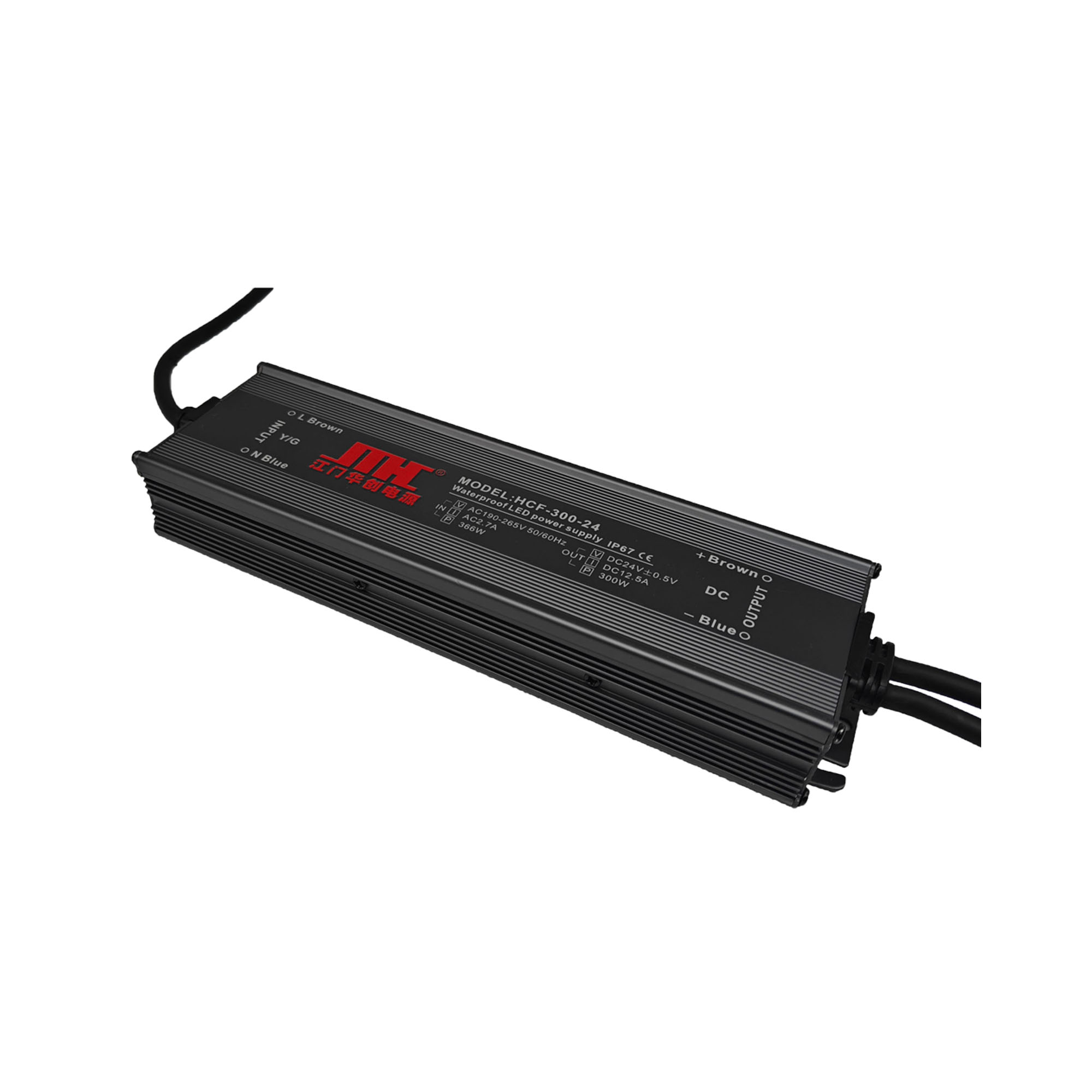
 From Sample to Mass Production: How a Reliable LED Power Supply Supplier Prevents Costly Rework
In LED lighting projects, many issues do not appear during sample validation but only emerge after scaling production. A prototype may perform well under controlled testing, yet once thousands of units are deployed, problems such as flicker, failure, or inconsistent output begin to surface.
This gap between sample approval and mass production is one of the most expensive risks in OEM projects. A professional LED power supply supplier plays a critical role in eliminating this gap through design alignment, process control, and production validation.
Why Sample Approval Does Not Guarantee Production Stability
Sample units are often produced under controlled conditions:
-
Components are carefully selected and matched
-
Assembly is manually adjusted for optimal performance
-
Testing conditions are limited and short-term
However, during mass production:
-
Component batches may vary
-
Assembly relies on standardized processes
-
Products face real operating environments over long durations
Without manufacturing discipline, the performance difference between sample and production can reach 10%–20% variation, leading to visible instability in lighting systems.
Where Rework Costs Actually Come From
Rework is rarely caused by a single defect. It is usually the result of multiple small mismatches accumulating during scale-up.
Typical cost sources include:
-
Product replacement and return logistics (increase by 15%–30%)
-
Installation rework due to failure or mismatch
-
Project delays caused by inconsistent delivery
-
Certification retesting if design changes are required
These issues are not random—they are linked to suppliers that do not control the full process from design to production.
Product and Design Alignment: Preventing Problems Before Production
A reliable LED power supply supplier ensures that product design is aligned with actual application conditions from the beginning.
Key alignment factors include:
-
Output stability under real load conditions (not just nominal testing)
-
Dimming compatibility across full operating range
-
Environmental protection level (indoor vs outdoor, IP requirements)
-
Thermal performance under continuous operation
At JMHC, product categories such as indoor units, waterproof models, and dimmable drivers are designed based on application requirements rather than generic configurations, reducing mismatch during scale-up.
Manufacturing and Processing Control: Turning Design into Consistency
Even with correct design, consistency depends on how products are manufactured.
A professional LED power supply supplier maintains stability through:
-
Standardized component sourcing and verification
-
Controlled assembly processes to reduce variation
-
Vacuum glue filling for waterproof models
-
Optimized thermal structure during production
-
100% full-load aging tests before shipment
These processes ensure that every unit performs under real operating conditions, not just theoretical specifications.
Performance Comparison: Sample-Based Supplier vs Process-Controlled Supplier
| Key Factor | Sample-Based Supplier | Process-Controlled Supplier (JMHC) |
|---|---|---|
| Sample vs batch consistency | ~80–85% | >98% |
| Failure rate after installation | 8–12% | <3% |
| Waterproof reliability | Basic sealing | IP65–IP67 verified |
| Dimming stability | Partial compatibility | Full-range stable |
| Rework probability | High | Reduced by 60%–75% |
| Delivery consistency | Unstable | Controlled (±5%) |
This difference directly translates into project cost, especially for large-scale installations.
Common Production Gaps—and Practical Solutions by Project Type
Many rework issues originate from the same root cause: design, manufacturing, and application are not aligned. The solution is not simply improving one factor, but coordinating all three.
1. Dimming System Instability (Commercial Projects)
Problem: Flicker or unstable output after installation
Solution:
-
Match dimming protocol (0–10V / PWM / TRIAC) during design stage
-
Validate performance under low-load and full-load conditions
-
Perform aging tests with dimming enabled
2. Outdoor Failure Due to Moisture and Temperature
Problem: Early failure in outdoor or humid environments
Solution:
-
Select appropriate IP protection (IP65/IP67)
-
Apply controlled glue filling and sealing processes
-
Verify long-duration aging under thermal stress
3. Batch Inconsistency in OEM Orders
Problem: Approved samples do not match mass production units
Solution:
-
Lock component specifications and sourcing channels
-
Standardize production parameters
-
Apply full-load aging tests to every unit
-
Maintain batch traceability
4. Certification Delays for Export Projects
Problem: Redesign required after compliance testing
Solution:
-
Align design with CE, UKCA, EMC, and LVD requirements early
-
Select compliant components from the start
-
Avoid late-stage redesign
Frequently Asked Questions
Q1: Why do many projects fail after scaling production?
Because sample validation does not reflect real manufacturing variation or long-term operating conditions.
Q2: How can rework cost be reduced effectively?
By ensuring design, production, and testing are aligned before mass production begins.
Q3: What is the most important capability of a supplier in OEM projects?
The ability to maintain consistency across large volumes, not just deliver good samples.
Working With a Supplier That Reduces Rework Risk
JMHC integrates R&D, production, and quality control to support LED power supply projects from design to mass production. By combining application-based product design with standardized manufacturing processes and full-load aging validation, the goal is to ensure consistent performance across every unit delivered.
If you want to explore available product categories and application solutions, you can visit our homepage:
👉 https://www.jmhce.com/
If you are planning an OEM project or need support aligning design with production requirements, feel free to contact our team:
👉 https://www.jmhce.com/contact-us