
How to Eliminate Flicker and Heat Issues in Indoor Lighting Systems with the Right LED Power Supply
Indoor lighting problems rarely show up on day one.
A newly installed office looks bright and clean. A retail space feels well-lit and balanced. Everything appears stable—until subtle issues begin to surface.
Lights flicker slightly during dimming.
Some fixtures feel warmer than expected.
Brightness varies just enough to be noticeable over time.
These are not dramatic failures. But in indoor environments—where people spend hours every day—even small inconsistencies become uncomfortable.
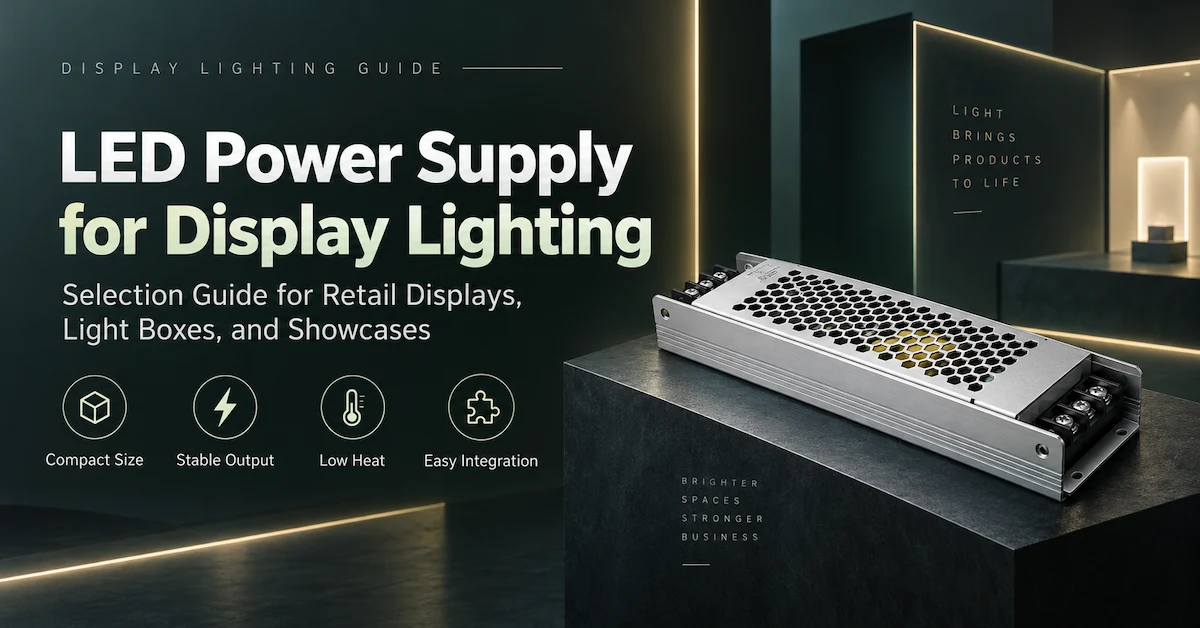
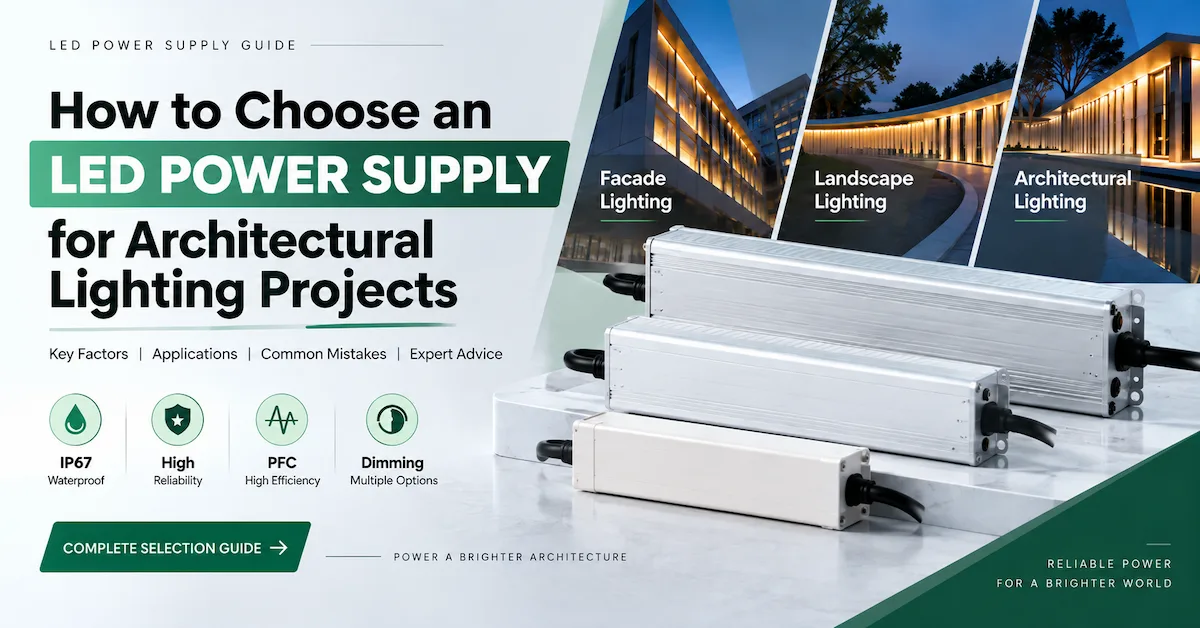
In many cases, the root cause is not the fixture or LED chips, but the LED power supply for indoor lighting systems that was not properly matched to real usage conditions.
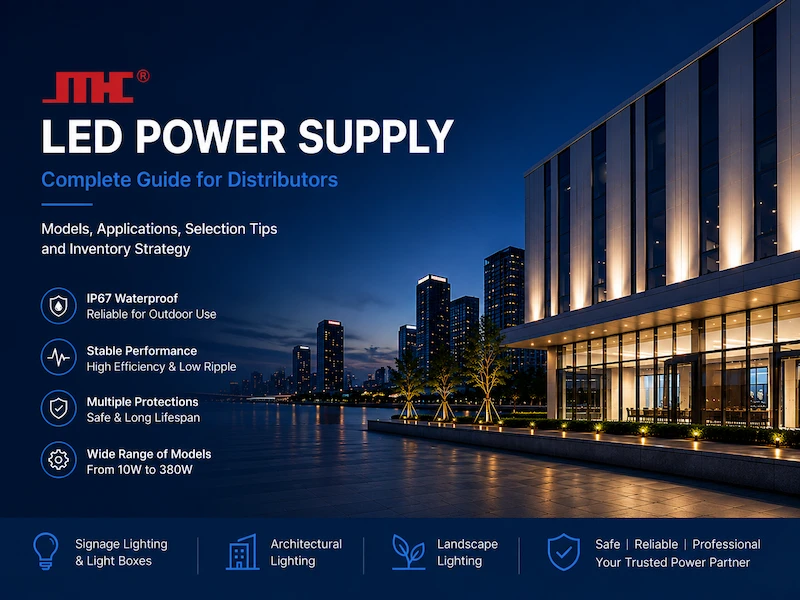
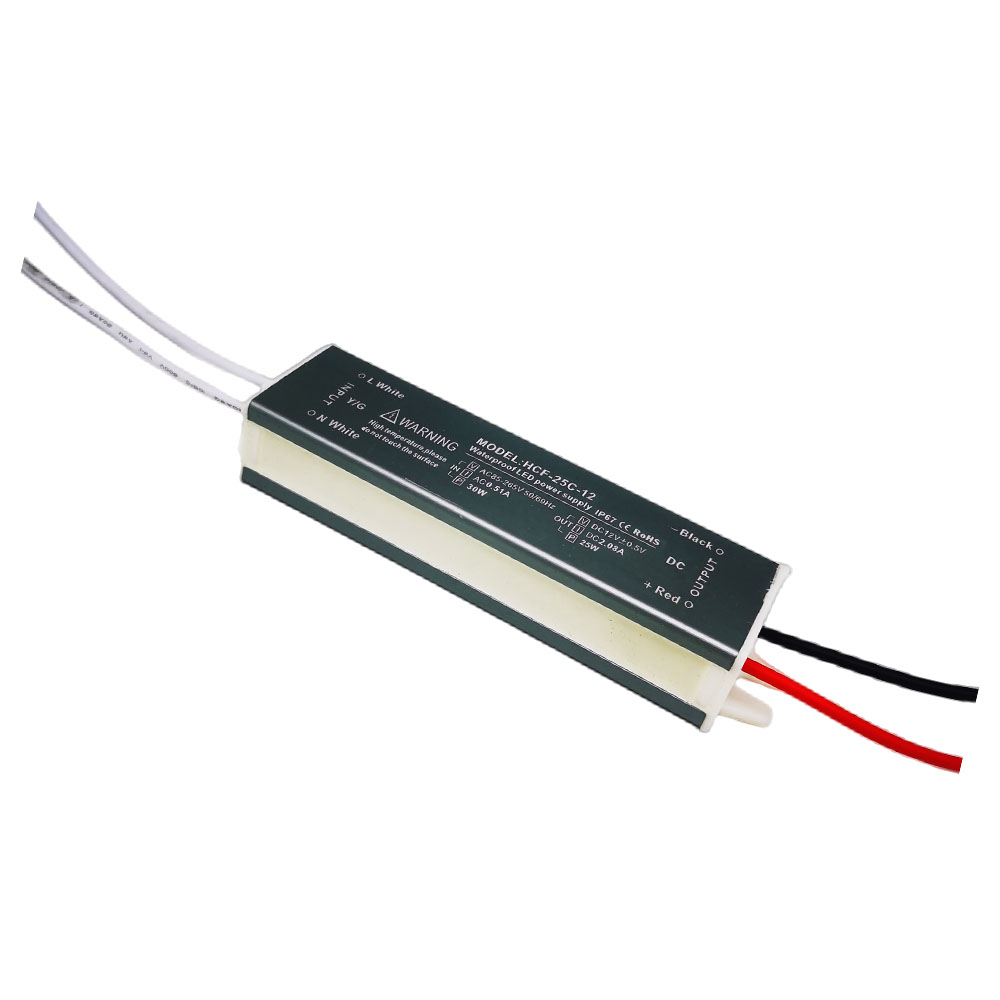
At JMHC, indoor driver design focuses on a simple but critical goal: stability that people don’t notice—because everything just works.
Why Indoor Lighting Systems Require a Different Approach
Indoor lighting is not exposed to rain or extreme weather, but it has its own challenges.
Unlike outdoor systems, indoor lighting must optimize for:
- visual comfort over long exposure periods
- compatibility with dimming and control systems
- limited installation space inside fixtures or ceilings
- thermal buildup in enclosed environments
Because of these factors, the LED power supply for indoor lighting systems must balance electrical performance with comfort and efficiency.
A driver that is technically functional may still fail to meet user expectations in real indoor environments.
Inside the Power Supply: Structure and Materials for Indoor Stability
The performance of indoor lighting systems depends heavily on the internal structure of the power supply.
Key components include:
- switching circuits for efficient power conversion
- control ICs for constant current regulation
- low-ripple capacitors for smooth output
- magnetic components for voltage stability
- thermal structures for heat dissipation
Material selection plays an important role:
- low ripple capacitors reduce flicker in visible light
- high-efficiency components minimize heat generation
- compact thermal design supports enclosed installations
A well-designed LED power supply for indoor lighting systems ensures that electrical output remains stable while minimizing heat and visual disturbance.
Common Indoor Lighting Issues—and How to Solve Them
Indoor lighting problems are often subtle but persistent. Understanding them helps prevent long-term discomfort and maintenance issues.
Flicker During Dimming
Problem:
Lights flicker when brightness is adjusted, especially at lower levels.
Solution:
Use drivers optimized for dimming protocols such as 0–10V, TRIAC, or PWM, and validate performance across the full dimming range.
Heat Build-Up in Enclosed Spaces
Problem:
Drivers installed in ceilings or fixtures generate heat that cannot dissipate efficiently.
Solution:
Optimize thermal design, use high-efficiency components, and ensure proper heat distribution within the driver structure.
Inconsistent Brightness Across Fixtures
Problem:
Slight variations in driver output create visible differences across lighting areas.
Solution:
Standardize production processes and use consistent component sourcing to ensure uniform output.
Noise and Electrical Interference
Problem:
Some drivers produce noise or interfere with nearby electronics.
Solution:
Improve circuit design and ensure compliance with EMC standards.
Manufacturing Control: Ensuring Consistency in Indoor Applications
Indoor lighting projects often involve large numbers of fixtures where consistency is critical.
At JMHC, production processes are designed to maintain stability:
- standardized component sourcing
- controlled PCB assembly
- optimized thermal layout
- functional testing for every unit
- 100% full-load aging tests
These steps ensure that each LED power supply for indoor lighting systems delivers consistent performance across installations.
Performance Comparison: Generic Drivers vs Indoor-Optimized Drivers
| Performance Factor | Generic Driver | JMHC Indoor Driver |
|---|---|---|
| Flicker level | Moderate | Minimal |
| Thermal performance | Standard | Optimized (+20%) |
| Output consistency | ~85% | >98% |
| Noise level | Occasional | Controlled |
| Failure rate | 5–8% | <3% |
| Comfort level | Variable | Stable |
In indoor environments, these differences directly affect user experience and satisfaction.
ToB Solutions: Supporting Indoor Lighting Applications
Indoor lighting systems are widely used across commercial and residential environments, requiring stable and scalable solutions.
Lighting Brands
Custom drivers ensure compatibility with fixture design and improve product reliability.
Commercial Projects
Stable drivers reduce maintenance and improve lighting consistency across large spaces.
Distributors
Reliable indoor drivers reduce returns and enhance product reputation.
By working with experienced manufacturers, LED power supply for indoor lighting systems solutions support both performance and business efficiency.
Frequently Asked Questions
Q1: Why is flicker more noticeable indoors?
Because indoor environments have consistent lighting, making small fluctuations easier to detect.
Q2: Can outdoor drivers be used indoors?
Yes, but they may not be optimized for size, efficiency, or dimming performance.
Q3: What is the most important factor for indoor drivers?
Stable output with minimal flicker and controlled heat generation.
Comfortable Indoor Lighting Starts with a Stable Power Supply
Indoor lighting is about more than illumination—it’s about comfort, consistency, and long-term reliability.
A stable lighting system depends on a power supply that operates quietly, efficiently, and consistently over time.
At JMHC, indoor driver design focuses on real usage conditions, from material selection to manufacturing and testing. The goal is to ensure that lighting systems perform as expected—without flicker, heat issues, or instability.
To explore our indoor LED power supply solutions, visit:
👉 https://www.jmhce.com/
If you are developing lighting products or planning indoor projects, our team is ready to support you:
👉 https://www.jmhce.com/contact-us