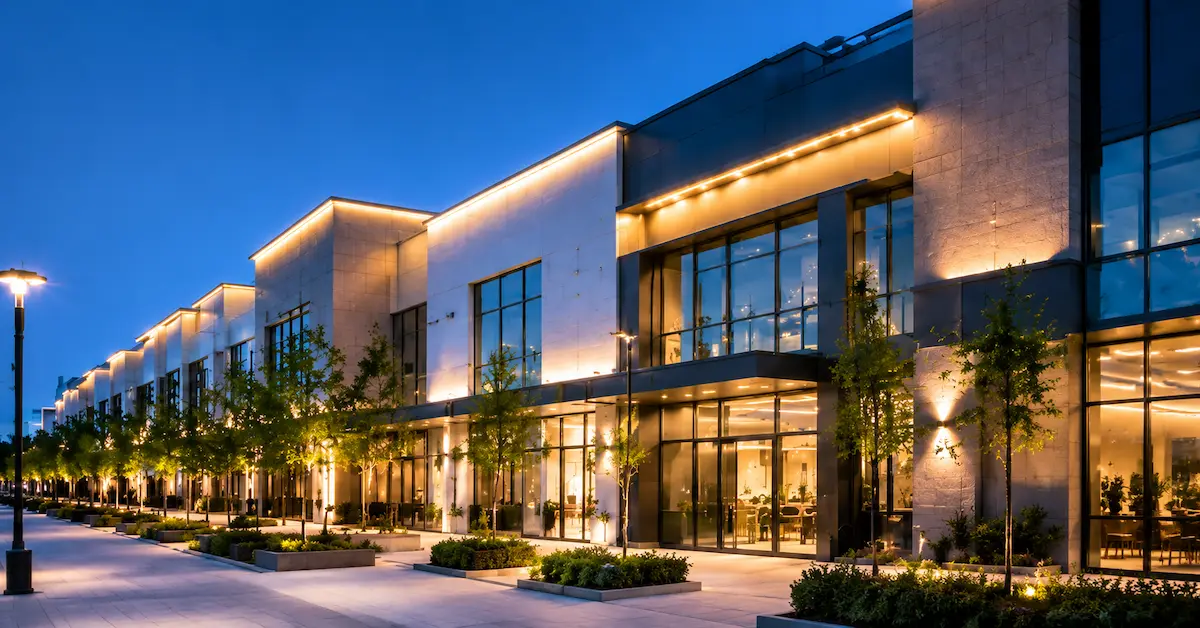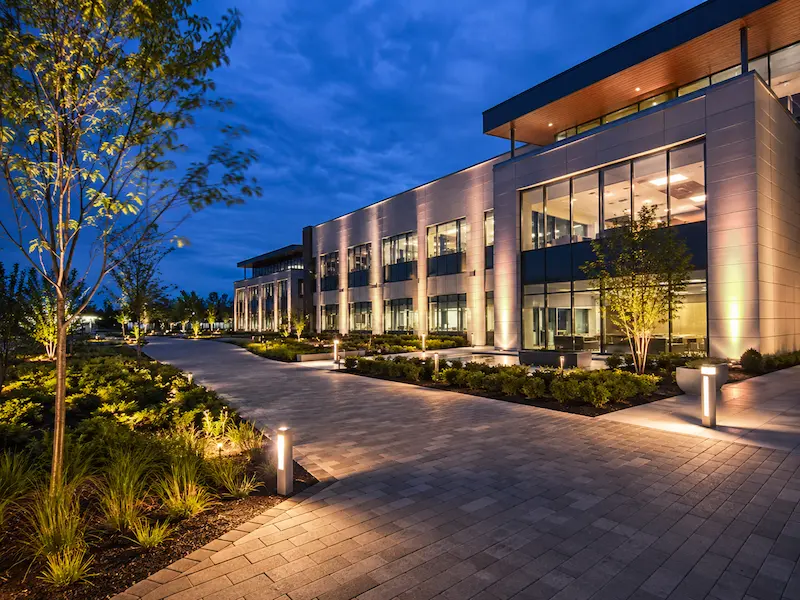

In commercial environments, lighting is no longer only about brightness. Offices, shopping malls, hotels, supermarkets, and public buildings require lighting systems that operate continuously while maintaining stable visual comfort and low maintenance cost. However, many commercial projects still face problems such as flicker, uneven brightness, overheating inside fixtures, and early lighting failure caused by unstable power supply systems.
These issues become especially noticeable in large commercial installations where hundreds or even thousands of fixtures operate simultaneously for extended periods every day.
To address these challenges, JMHC develops LED power supply for commercial lighting systems with a focus on constant current stability, low ripple output, thermal management, and long-cycle operational reliability. By integrating electrical engineering with controlled manufacturing processes, commercial lighting systems achieve more stable and energy-efficient performance.
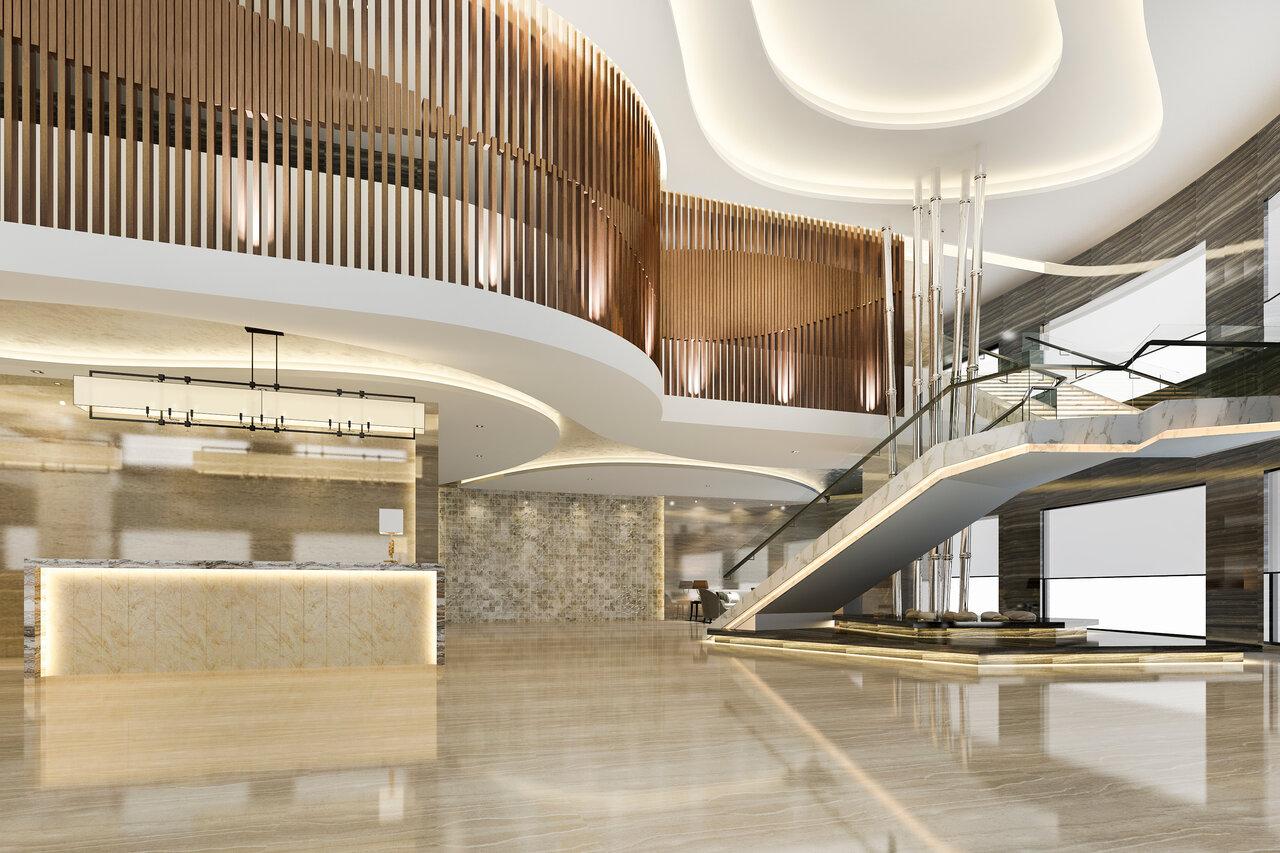
Why Commercial Lighting Requires Stable Power Architecture
Many commercial lighting failures originate from unstable power systems rather than lighting fixtures themselves.
A reliable LED power supply for commercial lighting is responsible for:
- maintaining stable brightness across large installations
- reducing visible flicker in office and retail environments
- improving dimming compatibility
- preventing thermal accumulation inside ceilings and fixtures
- protecting LEDs from voltage fluctuation and surge events
Without stable power management, commercial lighting systems experience reduced efficiency and increased maintenance frequency.
Core Technical Structure Behind Commercial Lighting Power Systems
JMHC commercial lighting power systems are engineered around integrated electrical and thermal optimization.
High-Efficiency Power Conversion
- AC to DC switching topology
- efficiency above 90%
- reduced conversion heat loss
Higher efficiency improves energy savings and reduces fixture temperature.
Constant Current Regulation
- optimized PWM control architecture
- stable feedback loop
- low ripple output (<5%)
This ensures flicker-free commercial lighting performance.
Thermal Management Design
- aluminum housing heat dissipation
- optimized PCB thermal pathways
- compact internal thermal structure
Thermal control is essential for long operating cycles in commercial spaces.
Protection and Safety Integration
- OVP / OCP / SCP / OTP protection systems
- surge resistance architecture
- optional waterproof LED driver structure (IP65–IP67)
These systems improve operational safety and long-term reliability.
Application-Oriented Commercial Lighting Solutions
Different commercial environments require different power strategies.
Office Lighting Systems
Challenge: Flicker affects employee comfort and concentration.
Solution:
- low ripple output
- stable current regulation
- dimming compatibility
This improves visual comfort and lighting consistency.
Retail and Shopping Mall Lighting
Challenge: Accent lighting requires stable brightness and smooth dimming.
Solution:
- constant current commercial LED driver
- precise dimming architecture
- high-efficiency power conversion
This enhances product presentation and customer experience.
Hotel and Hospitality Lighting
Challenge: Long operating hours increase thermal stress.
Solution:
- thermal optimization design
- efficient switching topology
- stable long-cycle performance
This reduces maintenance cost and improves operational reliability.
Public and Architectural Commercial Spaces
Challenge: Large-scale systems require stable operation across multiple fixtures.
Solution:
- standardized power architecture
- surge protection integration
- stable batch consistency
This improves system-wide lighting reliability.
Manufacturing Stability Behind Commercial Lighting Reliability
Commercial lighting projects require large-scale deployment consistency.
JMHC ensures production stability through:
- standardized component sourcing
- automated PCB assembly
- controlled wiring and soldering processes
- 100% full-load aging tests before shipment
This ensures consistent electrical performance across commercial installations.
Performance Comparison: Standard Commercial Driver vs Optimized System
| Parameter | Standard System | JMHC Commercial System |
|---|---|---|
| Efficiency | 80–85% | >90% |
| Output ripple | 10–15% | <5% |
| Temperature rise | High | Reduced by 15–20% |
| Failure rate | 8–12% | <3% |
| Lighting lifespan | Standard | +30–50% |
These improvements directly affect operational cost and lighting stability.
Real Commercial Project Case: Improving Retail Lighting Stability
A retail lighting contractor experienced recurring problems across several shopping center projects:
- flicker in dimming zones
- uneven brightness across fixtures
- overheating inside recessed ceiling structures
After integrating JMHC LED power supply for commercial lighting systems:
- ripple output decreased significantly
- fixture operating temperature reduced
- system failure rate dropped by over 40%
The improvement resulted from optimized constant current regulation and thermal architecture integration.
Engineering Solutions to Common Commercial Lighting Problems
Commercial lighting instability is usually caused by combined electrical, thermal, and environmental factors. JMHC addresses them through structured engineering solutions.
1. Flicker in Commercial Spaces
Problem:
Visible flicker reduces lighting comfort.
Root Cause:
Weak filtering and unstable current regulation.
Solution Framework:
- low ripple circuit architecture
- optimized PWM control
- high-quality capacitor integration
Result:
Stable flicker-free lighting performance.
2. Overheating Inside Ceiling Fixtures
Problem:
Heat accumulates inside enclosed commercial fixtures.
Root Cause:
Inefficient conversion and poor thermal structure.
Solution Framework:
- high-efficiency switching topology (>90%)
- optimized PCB thermal layout
- aluminum housing heat dissipation
Result:
Lower operating temperature and longer fixture lifespan.
3. Dimming Instability
Problem:
Commercial dimming systems flicker during adjustment.
Root Cause:
Incompatible dimming regulation.
Solution Framework:
- dimming-compatible driver architecture
- optimized feedback control
- stable current regulation
Result:
Smooth and stable dimming performance.
4. Surge and Voltage Fluctuation Failure
Problem:
Commercial buildings experience unstable electrical environments.
Root Cause:
Insufficient protection systems.
Solution Framework:
- surge-resistant electrical architecture
- integrated protection systems
- stable voltage regulation
Result:
Improved operational reliability.
5. Batch Inconsistency Across Projects
Problem:
Different fixtures perform differently.
Root Cause:
Weak production process control.
Solution Framework:
- automated assembly workflow
- standardized BOM management
- full-system testing
Result:
More than 95% consistency across production batches.
Frequently Asked Questions
Q1: Why is LED power supply important for commercial lighting?
Because stable power output directly affects brightness consistency, efficiency, and system lifespan.
Q2: What causes flicker in commercial lighting systems?
Usually unstable current regulation or excessive output ripple.
Q3: Can commercial lighting power supplies support dimming systems?
Yes, JMHC supports dimming-compatible commercial LED driver solutions.
Commercial Lighting Stability Depends on Reliable Power Systems
A reliable LED power supply for commercial lighting is the foundation of stable brightness, efficient energy conversion, and long-term operational reliability. Stable current regulation and optimized thermal management directly affect both lighting quality and maintenance cost.
JMHC integrates engineering design, thermal optimization, and controlled manufacturing to deliver reliable commercial lighting power solutions for offices, retail environments, hospitality spaces, and public buildings.
Explore JMHC Commercial Lighting Solutions
https://www.jmhce.com/products