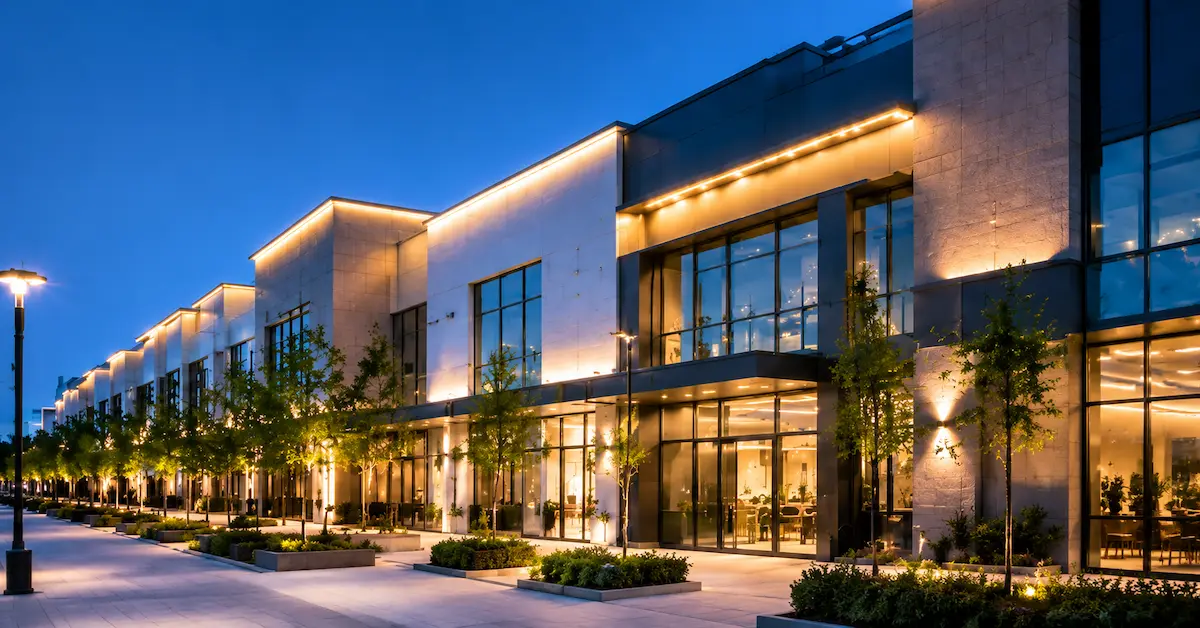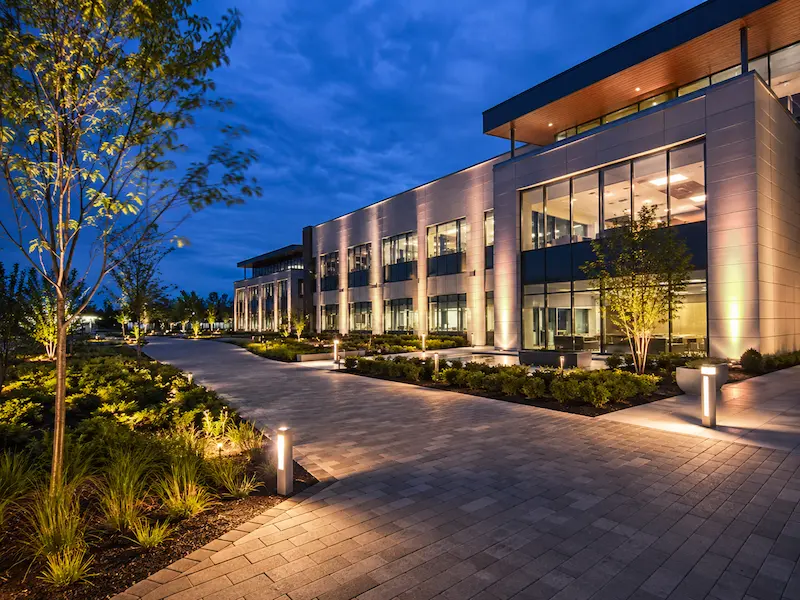

In architectural lighting, precise brightness, color uniformity, and long-term reliability are critical. Many large-scale projects such as façades, bridges, plazas, and landmarks experience flicker, uneven light distribution, overheating, and early driver failure due to unstable power supply. Poor performance can compromise both aesthetics and operational efficiency.
JMHC addresses these challenges with LED power supply for architectural lighting, integrating high-efficiency power conversion, constant current and voltage regulation, thermal optimization, and environmental protection. These systems provide reliable illumination, whether used for outdoor façades or intricate indoor architectural details.
Why Architectural Lighting Depends on Stable Power Supplies
A stable LED power supply for architectural lighting is the core of any installation. It ensures:
- uniform brightness and color across all fixtures
- flicker-free dimming for dynamic light effects
- thermal stability for long operating hours
- protection from voltage fluctuations and surges
- efficient energy usage to reduce operational costs
Without a reliable power supply, even premium LEDs cannot achieve their designed visual performance.
Core Engineering Architecture for Architectural Lighting Power
JMHC designs LED power supply for architectural lighting with integrated engineering systems:
High-Efficiency Power Conversion
- AC to DC switching topology
- efficiency >90%
- reduced energy loss and heat
Constant Output Regulation
- constant voltage and current
- optimized feedback loops
- low ripple output (<5%) for flicker-free illumination
Thermal Management System
- aluminum or composite housing for heat dissipation
- optimized PCB layout
- compact thermal pathways for enclosed fixtures
Integrated Protection and Environmental Design
- OVP / OCP / SCP / OTP protection circuits
- surge and waterproof protection (IP65–IP67)
- resistant to temperature variations and moisture
Application-Based Solutions
Different architectural lighting projects require specific power strategies.
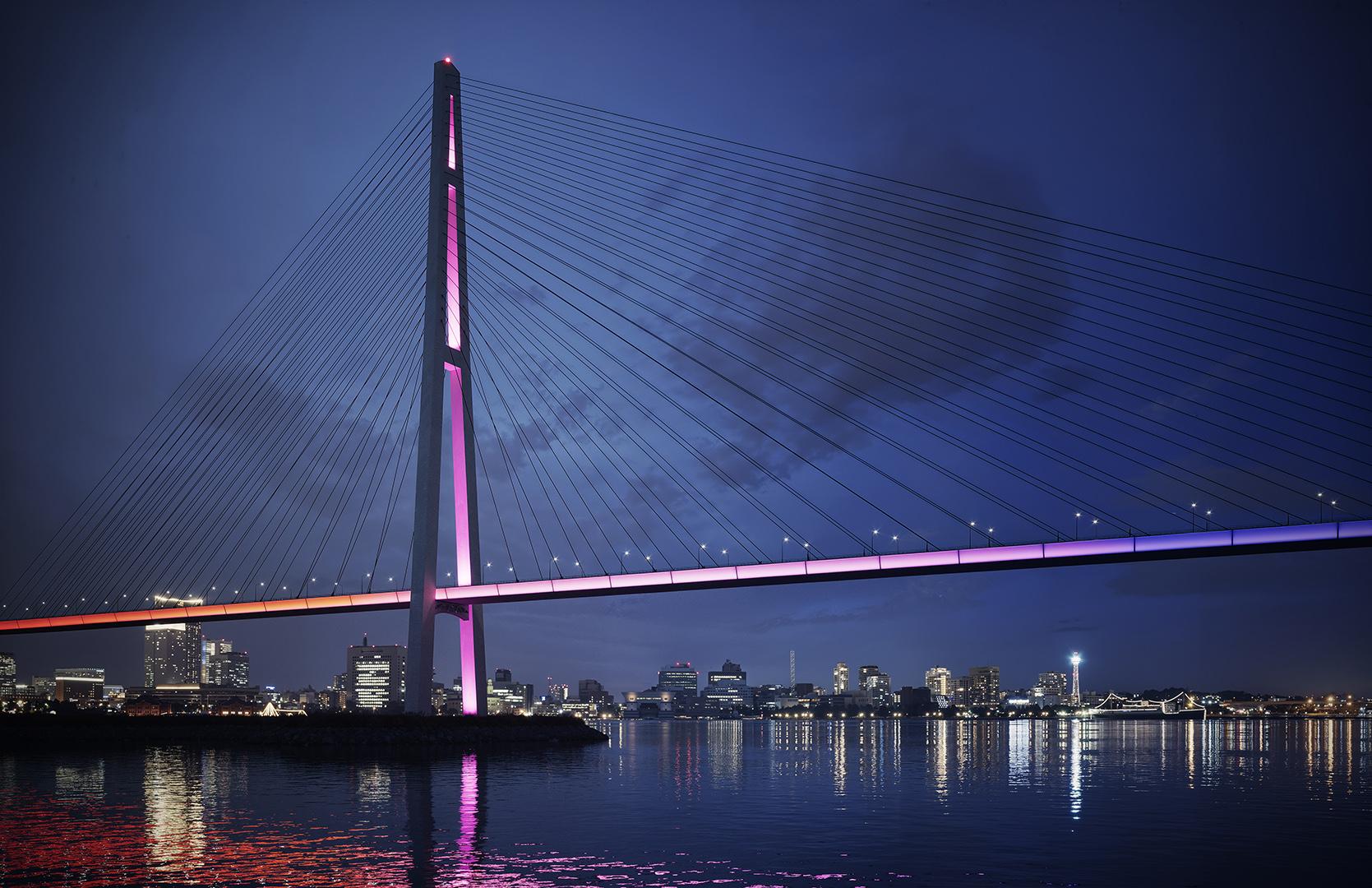
Building Facades and Bridges
Challenge: Synchronized lighting across large spans
Solution:
- constant voltage/constant current regulation
- low ripple output for color uniformity
- waterproof design for outdoor exposure
Public Plazas and Landmark Installations
Challenge: Continuous operation with long lifecycle
Solution:
- thermal optimization for high-load operation
- waterproof enclosures
- high-efficiency power conversion
Dynamic or Decorative Architectural Lighting
Challenge: Smooth color transitions and dimming
Solution:
- constant current drivers with dimming compatibility
- low ripple design
- synchronization across multiple fixtures
Manufacturing Reliability for Architectural Projects
Even excellent engineering design requires production consistency.
JMHC ensures:
- standardized component sourcing
- automated PCB assembly
- controlled wiring and soldering
- 100% full-load aging tests
This guarantees consistent performance for all architectural lighting installations.
Performance Comparison: Standard vs JMHC Architectural Power Supply
| Parameter | Standard System | JMHC Architectural System |
|---|---|---|
| Efficiency | 80–85% | >90% |
| Output ripple | 10–15% | <5% |
| Temperature rise | High | Reduced by 15–20% |
| Batch consistency | ~80% | >95% |
| Failure rate | 8–12% | <3% |
| Lifespan | Standard | +30–50% |
Real Project Case
A landmark building with dynamic façade lighting experienced flicker and inconsistent color. After deploying JMHC LED power supply for architectural lighting:
- color uniformity improved across all zones
- ripple and flicker eliminated
- operating temperature reduced
- maintenance and failure rates decreased by 40%
Engineering Solutions to Common Issues
Architectural lighting projects are vulnerable to combined electrical and thermal challenges. JMHC addresses them through:
- Flicker and Ripple – low ripple architecture, optimized constant voltage/current regulation
- Thermal Accumulation – high-efficiency conversion, aluminum housing, PCB thermal layout
- Environmental Exposure – waterproof enclosures, surge protection
- Prototype-to-Mass Consistency – standardized manufacturing, automated assembly, full-system testing
Frequently Asked Questions
Q1: Why is a LED power supply critical for architectural lighting?
Stable output ensures uniform color, brightness, and long-term reliability.
Q2: Can JMHC power supplies handle dynamic color-changing installations?
Yes, constant current/voltage design enables smooth dimming and color transitions.
Q3: Are outdoor architectural installations protected?
Yes, JMHC offers IP65–IP67 waterproof LED power supplies.
Explore JMHC Architectural Lighting Solutions
https://www.jmhce.com/products